


If you've just picked up a 3WF-3 mist duster from our shop, congrats-this tool is a true workhorse for small farms, orchards, and pest control crews that need to cover large outdoor areas fast. But let's be real: a new machine only stays reliable if you operate it right and take care of the small maintenance steps that most first-time owners overlook. Having supplied 3WF-3 complete units and replacement parts for over 6 years, I've seen too many units fail prematurely simply because a few basic steps were skipped. This guide is straight from what I teach my own customers-no fluff, just practical advice to keep your 3WF-3 running smoothly for years.
1. Pre-Use Checks (Takes Less Than 10 Minutes)
Rushing into operation is where most mistakes happen. Take a few minutes to check these basics:
Fuel Mix Ratio: The 3WF-3 is powered by a high-revving 2-stroke engine and must never run on pure gasoline. Always check your manual: standard mineral 2-stroke oils typically require a 25:1 to 30:1 ratio, whereas high-grade synthetic 2T oils can run at 40:1 or 50:1. Too much oil fouls the spark plug and exhaust port; too little oil will seize the piston. Never use stale fuel-if your premix is over 30 days old, safely dispose of it and mix a fresh batch to prevent carburetor clogging.
Nozzle Setup: The nozzle controls your spray pattern. Make sure you use the standard 65mm mist nozzle for general field spraying. When installing, tighten it until snug-never over-tighten, or you will distort the plastic housing and cause uneven spraying. Before starting, clear out any dust or transport debris using compressed air or a clean soft brush (never use your mouth to blow through chemical pipes or nozzles).
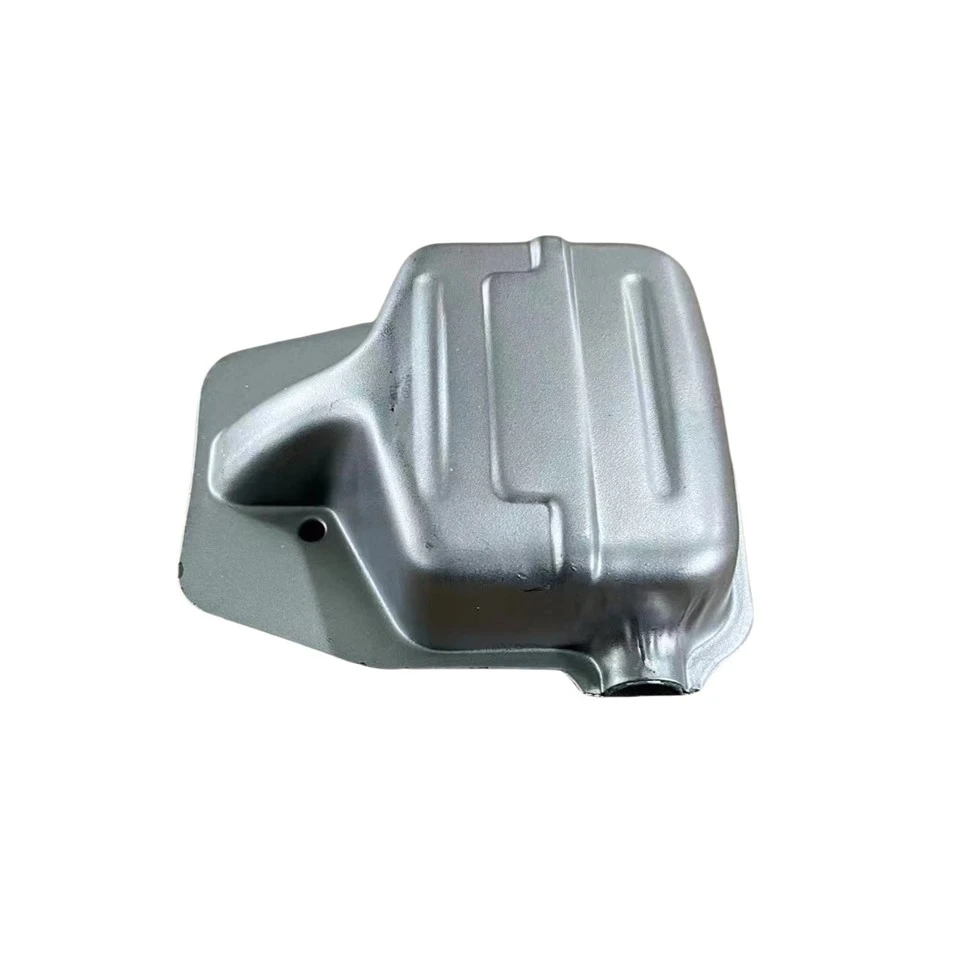
Exhaust & Muffler Inspection: The muffler does more than reduce noise; it manages backpressure and heat dissipation. A carbon-choked muffler reduces engine power and causes overheating. Periodically inspect and clear carbon buildup around the spark arrestor screen.
2. Best Operating Practices (Prevent Premature Wear)
Smooth Starting: Never yank the recoil starter aggressively from a dead stop. Pull gently until you feel the starter pawls engage, then give a firm, steady pull. Always engage the choke for cold starts and open it once the engine fires. Jerking too hard damages the recoil spring and can loosen the flywheel.
Throttle Management: While the 2-stroke engine is built to rev, running continuously at 100% full throttle causes unnecessary thermal stress. For most spraying and dusting tasks, 3/4 throttle (75–80%) delivers ample air volume while extending engine life.
Spraying Technique: Hold the wand at a steady forward angle (approx. 45 degrees) rather than pointing straight down. Keep moving at a consistent walking pace to ensure uniform coverage and prevent chemical pooling.
Switching Between Liquid Spraying & Powder Dusting: The 3WF-3 handles both liquid misting and dry powder dusting. Remember that switching modes requires adjusting the internal tank discharge valve and powder pipe adapter, not just changing the nozzle tip.
3. Immediate Post-Use Cleaning (Crucial Step)
Chemical residues left in the tank and lines will harden, corrode internal seals, and clog the spray system.
Empty any leftover chemical mix immediately after use.
Flush the tank with clean water, run the machine for 30–60 seconds to flush the pump and delivery lines, and drain completely.
Wipe down the exterior to protect the plastic casing and metal components from chemical corrosion.
4. Routine Maintenance & Part Replacement
Every 20 Hours of Operation:
Air Filter: Remove and tap out loose dust. Replace if heavily soaked with oil or dirt.
Spark Plug: Clean carbon deposits, check the electrode gap (0.6–0.7 mm), and replace if worn or blackened.
Fuel Lines & Tank Filter: Inspect fuel lines for cracks or hardening; replace immediately if leaking.
Piston & Cylinder Compression: If you notice hard starting or a significant loss of power after hundreds of hours of operation, inspect the piston rings and cylinder wall for wear. Replacing the standard 40mm piston assembly is straightforward-always ensure bolts are torqued properly to avoid warping the cylinder block.
Use Quality Replacement Parts: Avoid sub-standard generic parts. Inferior mufflers, pistons, or carburetors can fail rapidly and cause costly engine damage. Always stick to reliable OEM-spec compatible components.
5. Proper Off-Season Storage
If storing your mist duster for more than 2 weeks:
Drain all fuel from the fuel tank.
Start the engine and let it run until it stalls from fuel starvation, clearing the carburetor bowl.
Store the unit in a clean, dry, shaded area away from direct sunlight and rain to protect plastic tanks and rubber seals.

Need 3WF-3 Parts, Manuals, or Technical Support?
At the end of the day, the 3WF-3 is an exceptionally durable machine when maintained properly. Skip the shortcuts, build these quick habits, and your equipment will serve you reliably season after season.
If you need original replacement parts (mufflers, nozzles, piston assemblies, carburetors), full technical spec sheets, or wholesale inquiries, feel free to contact us or leave a message below!
References
- 3WF-3 Mist Duster Operator's Manual, Agricultural Power Equipment Association, 2022
- Maintenance Guidelines for Two-Stroke Mist Blowers, International Society of Agricultural Engineers, 2021
- OEM Spare Part Compatibility for 3WF Series Dusters, Agricultural Machinery Parts Association, 2023
- Fuel and Oil Mixing Standards for Two-Stroke Engines, Automotive Engineering Journal, Vol. 45, No. 2, 2020


