
When you've just purchased a BR500, one of the questions that might pop into your mind is, "Do I need to calibrate the BR500 after buying?" As a supplier of the BR500, I'm here to shed light on this topic and provide you with a comprehensive understanding.
Understanding the BR500
The BR500 is a high - performance piece of equipment, often used in various outdoor settings, such as landscaping, gardening, and property maintenance. It's known for its power, efficiency, and reliability. The BR500 comes from a well - established line of products, designed to meet the demands of both professional users and dedicated homeowners.
The Initial State of the BR500
When you receive a brand - new BR500 from our supply, it has already undergone a series of quality checks and pre - calibration processes at the factory. The manufacturer has set the engine and its components to a standard operating range. This means that in most cases, the BR500 is ready to use right out of the box. However, there are several factors that might still make calibration necessary.
Reasons for Post - Purchase Calibration
1. Transportation and Handling
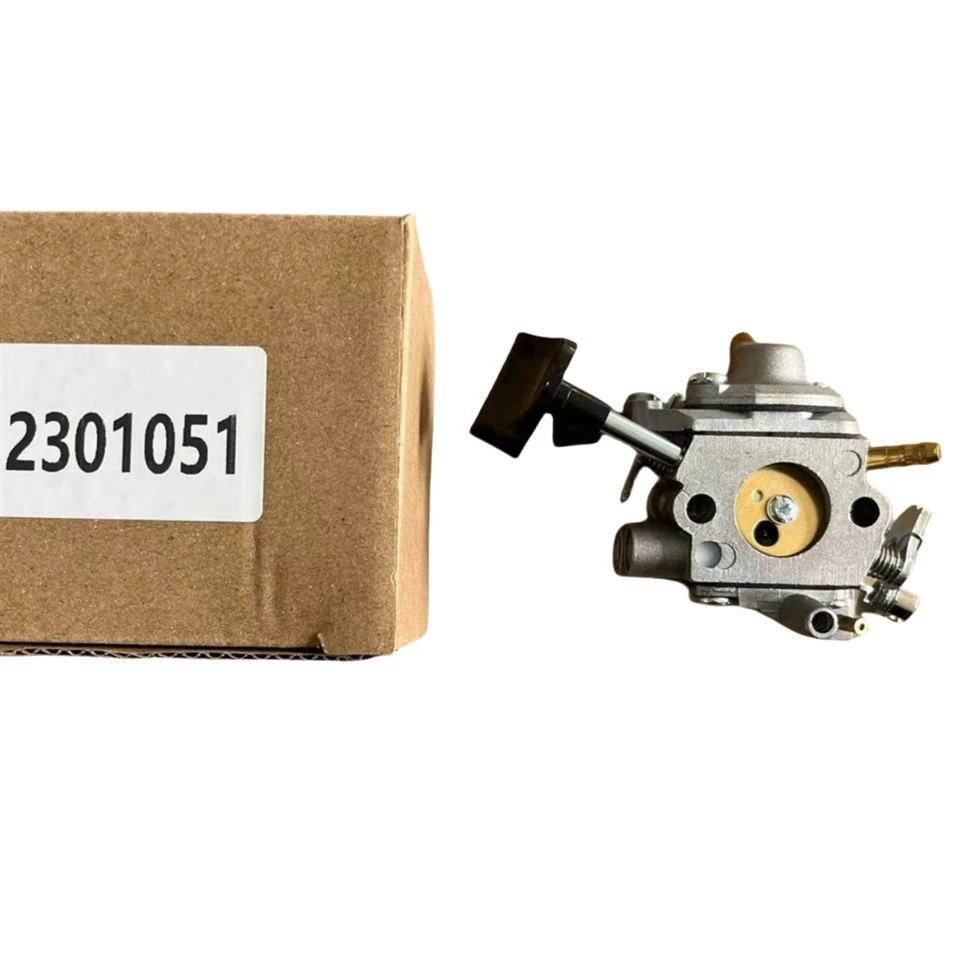
During the shipping process, the BR500 can experience vibrations, jolts, and changes in temperature and humidity. These factors can potentially cause minor shifts in the internal components of the engine, including the carburetor. The carburetor is a crucial part of the BR500, responsible for mixing the right amount of fuel and air for combustion. If it gets slightly misaligned during transportation, it can affect the engine's performance. For instance, you might notice that the engine runs too rich (excess fuel) or too lean (not enough fuel), which can lead to issues like reduced power, increased fuel consumption, and even engine damage over time. You can find more information about the carburetor at STL BR500 BR550 BR600 Carburetor.
2. Variations in Fuel and Air Conditions
The BR500 is designed to operate under a wide range of conditions. However, the fuel quality and air density can vary significantly depending on your location. For example, if you live at a high altitude, the air is thinner, which means the engine needs to adjust the fuel - air mixture accordingly. Similarly, different brands and grades of fuel can have different chemical compositions, which can also affect the combustion process. In these cases, calibrating the BR500 after purchase can ensure that the engine is optimized for the specific fuel and air conditions in your area.
3. Personal Usage Preferences
Some users might have specific requirements for the performance of their BR500. For example, professional landscapers might need the blower to deliver maximum power consistently, while homeowners might prioritize fuel efficiency. Calibration allows you to fine - tune the engine to meet your individual needs. You can adjust the settings to achieve the right balance between power, fuel consumption, and smooth operation.
How to Determine if Calibration is Needed
1. Observe the Engine Performance
The first sign that your BR500 might need calibration is abnormal engine behavior. If you notice that the engine is hard to start, stalls frequently, or has a rough idle, these could be indications of a misaligned carburetor or other calibration issues. Additionally, if you experience a significant drop in power or an increase in fuel consumption, it's worth considering calibration.
2. Listen to the Engine Sound
A well - calibrated engine produces a smooth and consistent sound. If you hear unusual noises, such as sputtering, popping, or knocking, it could mean that the fuel - air mixture is off. These noises are often a sign that the engine is not running efficiently and might require calibration.

The Calibration Process
If you've determined that your BR500 needs calibration, it's important to approach the process correctly. While some users with mechanical experience might be able to calibrate the BR500 themselves, it's generally recommended to have it done by a professional. A professional technician has the necessary tools and expertise to accurately adjust the carburetor and other engine components.
The calibration process typically involves adjusting three main screws on the carburetor: the low - speed screw, the high - speed screw, and the idle screw. The low - speed screw controls the fuel - air mixture at low engine speeds, while the high - speed screw adjusts the mixture at high speeds. The idle screw sets the engine's idle speed. By carefully adjusting these screws, the technician can optimize the engine's performance across all operating ranges.
Benefits of Calibration
1. Improved Performance
Calibrating the BR500 can significantly enhance its performance. You'll notice a smoother start, more consistent power output, and better acceleration. This means that you can get your outdoor tasks done more efficiently, whether it's blowing leaves, clearing debris, or maintaining your garden.
2. Fuel Efficiency
A properly calibrated engine uses fuel more efficiently. By ensuring that the fuel - air mixture is optimized, you can reduce fuel consumption, which not only saves you money in the long run but also reduces your environmental impact.
3. Extended Engine Life
When the engine is running at its optimal settings, there is less stress on the internal components. This can help prevent premature wear and tear, extending the lifespan of your BR500. By investing in calibration after purchase, you're essentially investing in the long - term reliability of your equipment.
Conclusion
So, do you need to calibrate the BR500 after buying? While it's not always necessary, there are several factors that can make calibration a good idea. Whether it's due to transportation effects, variations in fuel and air conditions, or personal usage preferences, calibration can optimize the performance of your BR500, improve fuel efficiency, and extend its lifespan.
If you're interested in purchasing a BR500 or have any questions about calibration or our other products, we're here to help. Feel free to reach out to us for more information and to start a purchase negotiation. We're committed to providing you with the best products and services to meet your outdoor equipment needs.
References
- Manufacturer's manual for the BR500
- Industry standards for small engine calibration
- Technical bulletins on outdoor power equipment performance