

Hey there! I'm a supplier of 139f products, and today I want to dig into a question I've gotten a bunch: "Is the 139f price affected by the season?" It's a topic that's super relevant for both us suppliers and you buyers out there.
Let's start by understanding what 139f products are. They're widely used in a bunch of equipment, like brush - cutters. You can check out some of the key parts, such as the 139F Piston Assy and the 139F Starter Assy ( New Model ) on our website. These parts are crucial for the proper functioning of the machinery they're installed in.
Now, let's talk about how seasons might play a role in the price of 139f products.
Spring
Spring is generally a time when the demand for outdoor equipment, including those using 139f parts, starts to pick up. As the weather gets warmer, people start thinking about gardening, landscaping, and clearing their yards. This increased demand can put a bit of upward pressure on prices.
Suppliers might face higher costs during this season too. For example, raw material providers might increase their prices due to their own factors like increased production costs or higher demand from multiple industries. And when our costs go up, we sometimes have to pass on at least some of those increases to you, the customers.
On top of that, shipping can be a headache in spring. There are often more orders being shipped around this time, which can lead to higher shipping fees. All these factors combined can cause the price of 139f products to rise a bit.
Summer
Summer is peak season for outdoor work. The demand for brush - cutters and other equipment with 139f parts is at its highest. With so many people wanting these products, the market can get a bit competitive.
Some suppliers might try to take advantage of the high demand and increase their prices. But at the same time, there's also a push to keep prices reasonable to attract more customers. So, it's a bit of a balancing act.
Another thing to consider is that production can sometimes slow down in summer. Factories might face issues like heat - related production problems or worker shortages due to vacations. This can lead to a limited supply, which, according to basic economics, can drive up prices.
However, if a supplier has a large inventory built up before the summer rush, they might be able to offer more stable prices. They can afford to sell at a more competitive rate because they don't have to worry as much about immediate production costs.
Fall
As summer ends and fall approaches, the demand for 139f - based equipment starts to decline. People are less focused on outdoor work as the weather starts to cool down. With lower demand, prices usually start to drop.
Suppliers also start looking to clear out their inventory. They don't want to be stuck with a large stock of products over the winter when the demand is even lower. So, they might offer discounts and promotions to encourage sales.
This is actually a great time for buyers to get a good deal on 139f products. You can take advantage of the lower prices and stock up for the next season if you need to.
Winter
Winter is the slowest season for the 139f market. There's very little demand for outdoor equipment, and suppliers are mainly focused on preparing for the next spring.
During this time, production levels are usually lower. Factories might reduce their workforce or even shut down for maintenance. This can lead to lower production costs for suppliers.
With lower costs and low demand, prices are generally at their lowest in winter. But it's important to note that some suppliers might still keep their prices stable if they expect a big increase in demand in the coming spring. They don't want to set a low - price precedent that they can't easily change later.
Other Factors Affecting Price Alongside Season
It's not just the seasons that impact the price of 139f products. There are other factors at play too.
Technological Advancements
Newer models of 139f parts are constantly being developed. These new parts might have better performance, longer durability, or other advantages. When a new and improved version of a 139f part is released, the price of the older models might drop as they become less desirable.
Competition
The level of competition in the market can have a huge impact on prices. If there are a lot of suppliers offering 139f products, they'll have to compete with each other on price. This can lead to lower prices for consumers. On the other hand, if there are only a few suppliers, they might have more control over the prices.
Global Economic Conditions
Things like inflation, currency exchange rates, and economic recessions can all affect the price of 139f products. For example, if there's high inflation, the cost of raw materials, labor, and shipping will all go up, which will likely result in higher prices for the end - products.
How to Make the Most of Seasonal Price Changes
As a buyer, you can use your knowledge of seasonal price changes to your advantage.
If you're not in a hurry to buy 139f products, it might be a good idea to wait until the off - season, like winter or fall. You can save a significant amount of money by doing so.
On the other hand, if you need the products right away, like in spring or summer, it's still worth shopping around. Compare prices from different suppliers to make sure you're getting the best deal.
As a supplier, we need to be strategic too. We have to balance our inventory levels, production costs, and pricing strategies according to the seasons. We also need to keep an eye on the other factors like competition and technological advancements to stay competitive in the market.
Wrapping It Up and Reaching Out
So, to answer the question "Is the 139f price affected by the season?" The answer is a definite yes. The seasons have a significant impact on the demand, cost, and ultimately the price of 139f products.
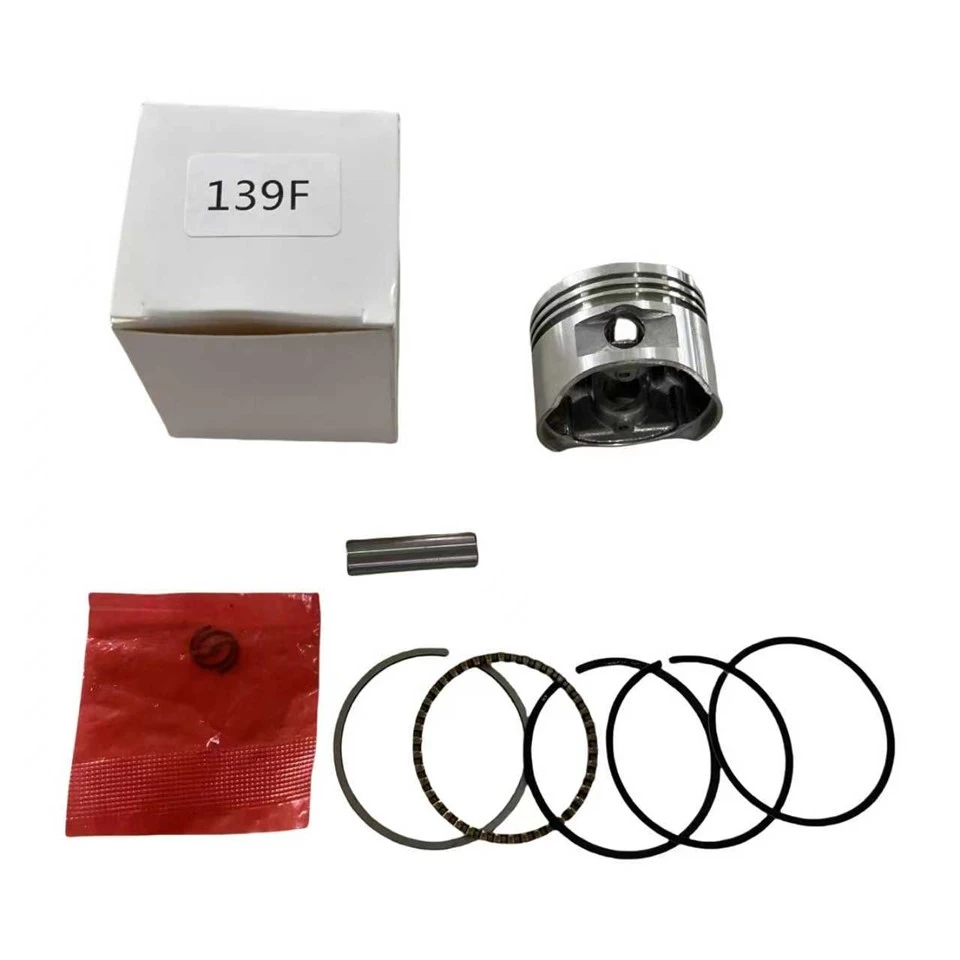

If you're interested in purchasing 139f products, whether it's the 139F Piston Assy or the 139F Starter Assy ( New Model ), I'd love to have a chat with you. We can discuss your needs, the best time to buy, and how we can offer you the most competitive prices. Don't hesitate to reach out and start a conversation about your procurement needs.
References
- Basic economic principles of supply and demand
- Industry reports on outdoor equipment sales and trends
- Interviews with raw material providers and shipping companies