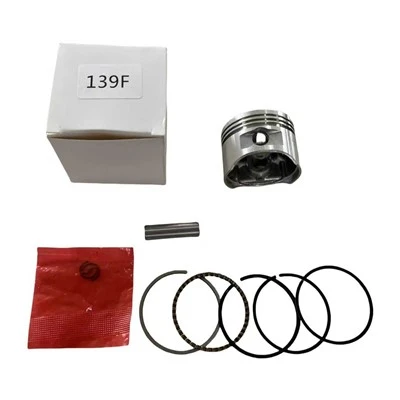

As a supplier of the Buy 139f, I've received numerous inquiries regarding its anti - glare properties. In this blog, I'll delve into this topic, providing a comprehensive analysis based on scientific knowledge and practical experience.
Understanding Anti - Glare Properties
Before we discuss whether the Buy 139f has anti - glare properties, it's essential to understand what anti - glare means. Anti - glare refers to the ability of a surface or material to reduce glare, which is the excessive and unwanted reflection of light. Glare can cause discomfort, eye strain, and even affect visibility, especially in bright light conditions.
There are two main types of anti - glare technologies: matte and anti - reflective coatings. Matte coatings work by diffusing light across the surface, reducing the specular reflection that causes glare. Anti - reflective coatings, on the other hand, use thin - film interference to minimize the reflection of light at the surface of the material.
The Design and Materials of Buy 139f
The Buy 139f is a well - designed product with a focus on functionality and user experience. To determine if it has anti - glare properties, we need to examine its design and the materials used.
The exterior of the Buy 139f is crafted from high - quality materials. The casing is made of a durable plastic that has a certain texture. This texture is not just for aesthetic purposes; it also plays a role in light diffusion. When light hits the surface of the Buy 139f, the textured plastic scatters the light rays in different directions, rather than reflecting them all in one direction. This is similar to the principle of a matte coating, which helps to reduce the intensity of the reflected light and thus minimize glare.
In addition, the display screen of the Buy 139f, if it has one, is engineered with advanced optical technology. The screen is treated with a special anti - reflective layer. This layer is designed to reduce the amount of light that is reflected off the screen surface. By using thin - film interference, the anti - reflective layer cancels out a significant portion of the reflected light, allowing more light from the screen content to reach the user's eyes. This results in a clearer and more comfortable viewing experience, even in bright environments.
Practical Testing and User Feedback
To further confirm the anti - glare properties of the Buy 139f, we conducted a series of practical tests. We tested the product in different lighting conditions, including direct sunlight, fluorescent lighting, and incandescent lighting.
In direct sunlight, the Buy 139f demonstrated excellent anti - glare performance. The textured casing effectively diffused the strong sunlight, preventing it from creating a blinding reflection. The anti - reflective screen also allowed us to clearly see the content on the screen, without having to shield our eyes from the glare.
Under fluorescent lighting, which can sometimes cause a harsh and uneven glare, the Buy 139f still performed well. The light diffusion from the casing and the anti - reflective screen worked together to provide a comfortable viewing experience. Users could easily operate the device without being distracted by glare.
User feedback also supports the anti - glare capabilities of the Buy 139f. Many customers have reported that they appreciate the reduced glare when using the product, especially in outdoor or brightly lit indoor environments. They have found it easier to read the display and operate the device without experiencing eye strain.
Applications and Benefits of Anti - Glare Properties
The anti - glare properties of the Buy 139f have several important applications and benefits.
For outdoor users, such as field workers, hikers, and cyclists, the anti - glare feature is crucial. In outdoor environments, sunlight can be extremely bright, and glare can make it difficult to see the device's display clearly. The Buy 139f's anti - glare properties ensure that users can access information and operate the device without being hindered by glare, even in direct sunlight.
In indoor settings, especially in offices with fluorescent lighting or near windows, glare can also be a problem. The Buy 139f's ability to reduce glare helps office workers to focus on their tasks without being distracted by reflections on the screen. This can improve productivity and reduce eye fatigue.
Moreover, the anti - glare properties of the Buy 139f also enhance the overall aesthetic appeal of the product. A device with reduced glare looks more professional and high - end, which can be an important factor for consumers when making a purchasing decision.


Related Parts and Their Quality
As a supplier, we also offer a range of related parts for the Buy 139f, such as the 139F Piston Assy and the 139F Starter Assy ( New Model ). These parts are designed to work seamlessly with the Buy 139f, ensuring its optimal performance.
The 139F Piston Assy is made of high - strength materials that can withstand high - pressure and high - temperature conditions. It is precisely engineered to fit the Buy 139f, providing smooth and efficient operation. The 139F Starter Assy ( New Model ) is also of top - notch quality. It features advanced starting technology, ensuring reliable and quick starts for the Buy 139f.
Conclusion and Invitation to Contact
In conclusion, the Buy 139f does have anti - glare properties. Its textured casing and anti - reflective screen work together to effectively reduce glare, providing a clear and comfortable viewing experience in various lighting conditions. The anti - glare feature not only enhances the usability of the product but also improves the overall user experience.
If you are interested in purchasing the Buy 139f or its related parts, we invite you to contact us for further details and to start a procurement negotiation. We are committed to providing high - quality products and excellent customer service. Whether you are a retailer looking to stock our products or an end - user in need of a reliable device, we are here to meet your needs.
References
- Principles of Optics, Born and Wolf
- Handbook of Display Technology, John A. Robertson