
Using a pliers hand tool effectively is a skill that can greatly enhance your efficiency and safety in various tasks, whether you're a professional tradesperson or a DIY enthusiast. As a hand tool supplier, I've witnessed firsthand the importance of proper pliers usage and the impact it can have on the quality of work. In this blog post, I'll share some valuable tips and techniques on how to use pliers effectively, along with insights into different types of pliers and their applications.
Understanding the Basics of Pliers
Before diving into the specific techniques, it's essential to understand the basic components and functions of pliers. Pliers typically consist of two handles connected by a pivot point, with jaws at the end used to grip, bend, cut, or hold objects. The handles are designed to provide leverage, allowing you to apply more force with less effort. The jaws come in various shapes and sizes, each suited for different tasks.
Types of Pliers and Their Applications
There are several types of pliers available, each designed for specific purposes. Here are some common types of pliers and their applications:
- Slip-Joint Pliers: These pliers have an adjustable pivot point, allowing you to change the distance between the jaws. They are versatile and can be used for gripping, bending, and cutting a wide range of materials. Slip-joint pliers are commonly used in plumbing, electrical work, and general household repairs.
- Needle-Nose Pliers: Also known as long-nose pliers, these pliers have long, thin jaws that taper to a point. They are ideal for reaching into tight spaces and gripping small objects. Needle-nose pliers are commonly used in jewelry making, electronics, and model building.
- Diagonal Pliers: Also known as wire cutters, these pliers have sharp, angled jaws designed for cutting wires and small metal objects. Diagonal pliers are commonly used in electrical work, jewelry making, and crafts.
- Locking Pliers: Also known as vise-grips, these pliers have a locking mechanism that allows you to secure the jaws in place. They are ideal for holding objects firmly in place, especially when you need to apply a lot of force. Locking pliers are commonly used in plumbing, automotive repair, and metalworking.
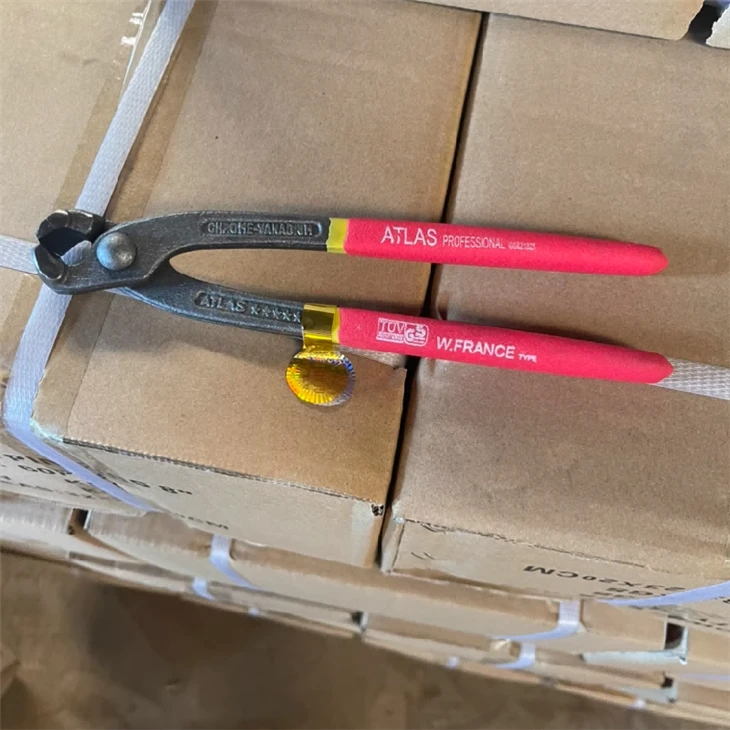
- 8 ”Rabbet pliers: These pliers are specifically designed for working with rabbets, which are recessed areas in wood or other materials. They have a unique shape that allows you to grip and manipulate the edges of the rabbet with precision. 8inch Rabbet Pliers are commonly used in woodworking, cabinet making, and carpentry.
Tips for Using Pliers Effectively
Now that you have a better understanding of the different types of pliers and their applications, here are some tips for using pliers effectively:
- Choose the Right Pliers for the Job: Selecting the right pliers for the task at hand is crucial. Using the wrong type of pliers can make the job more difficult and may even damage the pliers or the workpiece. Before starting a project, take the time to assess the requirements and choose the appropriate pliers.
- Inspect the Pliers Before Use: Before using the pliers, inspect them for any signs of damage or wear. Check the jaws for sharpness, the handles for cracks or splinters, and the pivot point for smooth operation. If you notice any issues, do not use the pliers and replace them or have them repaired.
- Hold the Pliers Correctly: Holding the pliers correctly is essential for safety and efficiency. To hold the pliers, place your thumb and index finger on the handles, with your other fingers wrapped around the handles for support. Make sure your grip is firm but not too tight, as this can cause fatigue and reduce your control.
- Position the Jaws Properly: When using the pliers, position the jaws correctly on the workpiece. Make sure the jaws are aligned with the object you want to grip, bend, or cut, and apply even pressure to the handles. Avoid using the jaws to grip objects that are too large or too small for the pliers, as this can damage the jaws or cause the object to slip.
- Use the Right Amount of Force: Applying the right amount of force is crucial when using pliers. Using too much force can damage the pliers or the workpiece, while using too little force may not be enough to complete the task. Start by applying a small amount of force and gradually increase it until you achieve the desired result.
- Keep the Pliers Clean and Lubricated: Keeping the pliers clean and lubricated is essential for their longevity and performance. After each use, wipe the pliers clean with a dry cloth to remove any dirt, debris, or moisture. Apply a small amount of lubricant to the pivot point and the jaws to keep them moving smoothly.
- Store the Pliers Properly: Storing the pliers properly is essential for their safety and longevity. When not in use, store the pliers in a dry, cool place, away from moisture and direct sunlight. You can use a toolbox, a tool rack, or a wall-mounted organizer to keep the pliers organized and easily accessible.
Conclusion
Using a pliers hand tool effectively is a skill that can be learned and mastered with practice. By understanding the basic components and functions of pliers, choosing the right pliers for the job, holding the pliers correctly, positioning the jaws properly, using the right amount of force, keeping the pliers clean and lubricated, and storing the pliers properly, you can ensure your safety and efficiency when using pliers.
As a hand tool supplier, I'm committed to providing high-quality pliers and other hand tools that meet the needs of professionals and DIY enthusiasts alike. If you're interested in purchasing pliers or other hand tools, please feel free to contact me for more information. I'd be happy to help you find the right tools for your project and provide you with expert advice and support.
References
- "Pliers: Types, Uses, and Safety Tips." The Spruce Crafts, https://www.thesprucecrafts.com/types-of-pliers-2540764.
- "How to Use Pliers." Family Handyman, https://www.familyhandyman.com/article/how-to-use-pliers/.
- "Pliers: A Guide to the Different Types and Their Uses." DIY Doctor, https://www.diydoctor.org.uk/projects/pliers.htm.