


Is 139f used in any communication protocols?
As a supplier of 139F products, I often get asked about the potential use of 139F in communication protocols. In this blog, I'll explore this topic in depth, shedding light on the nature of 139F, its common applications, and whether it has a place in the realm of communication protocols.
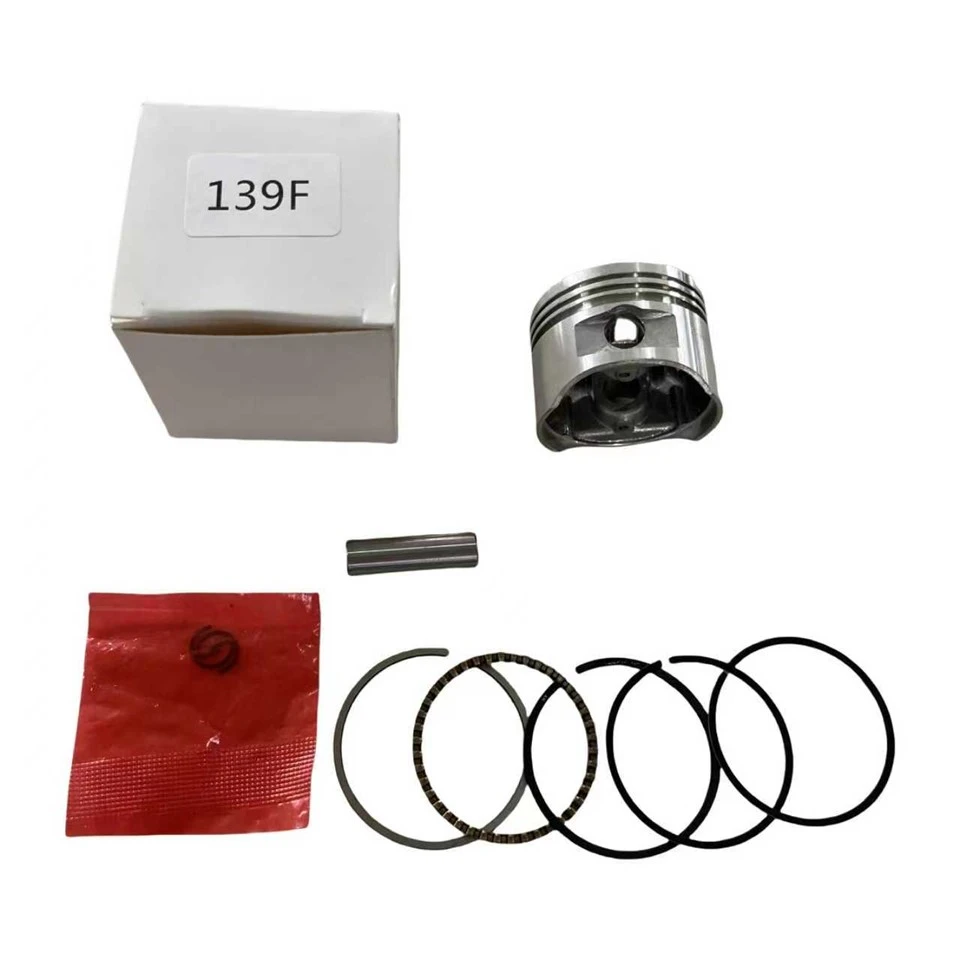
First, let's understand what 139F is. The 139F is a well - known engine model, typically used in various small - scale machinery. It is widely recognized in the market for its reliability and performance. For example, it is commonly found in brush cutters, where it provides the necessary power to cut through thick vegetation. Our company offers a range of parts for the 139F engine, such as the 139F Piston Assy and the 139F Starter Assy (New Model), which are essential components for maintaining and optimizing the engine's operation.
When it comes to communication protocols, these are sets of rules and standards that govern the exchange of data between different devices or systems. They are crucial in modern technology, enabling seamless communication in various fields like telecommunications, computer networking, and the Internet of Things (IoT). Protocols such as TCP/IP, HTTP, and Bluetooth are well - known examples that facilitate data transfer across different platforms.
Now, the question is whether 139F has any role in these communication protocols. In its traditional form as an engine, the 139F is a mechanical device designed to convert fuel into mechanical energy. It doesn't have an inherent connection to digital communication protocols. The primary function of the 139F is to power equipment, not to transmit or receive data in a digital format.
However, in the era of smart technology and the IoT, there is a growing trend of integrating mechanical devices with digital systems. For instance, in some advanced machinery, sensors can be attached to engines like the 139F to monitor its performance parameters such as temperature, RPM (revolutions per minute), and fuel consumption. These sensors can then communicate the collected data to a central control unit or a remote monitoring system using appropriate communication protocols.
Let's consider a scenario where a brush cutter with a 139F engine is part of a large - scale landscaping project. By installing sensors on the engine, the operator can remotely monitor the engine's health in real - time. If the temperature of the engine rises above a certain threshold, the sensor can send an alert to the operator's mobile device via a wireless communication protocol like Wi - Fi or Bluetooth. This kind of integration can enhance the efficiency of equipment management and reduce the risk of engine failure.
Another aspect to consider is the potential for using 139F in industrial automation. In an industrial setting, multiple machines need to work in harmony, and communication between them is essential. If a 139F - powered machine is part of an automated production line, it can be integrated into the overall system through communication protocols. For example, the machine can receive commands from a central control system to start, stop, or adjust its operation based on the production requirements.
Despite these potential applications, it's important to note that the integration of 139F with communication protocols is not a widespread practice at present. There are several challenges to overcome. One of the main challenges is the cost of adding sensors and communication modules to the engine. These additional components can significantly increase the overall cost of the equipment, which may not be feasible for some users.
Another challenge is the complexity of integrating different systems. Ensuring that the sensors, communication modules, and the engine work together seamlessly requires specialized knowledge and technical expertise. There may also be compatibility issues between different communication protocols and the existing equipment.

In conclusion, while the 139F engine itself is not directly used in communication protocols, there is a possibility of integrating it with digital communication systems in the future. With the continuous development of technology, the demand for smart and connected machinery is increasing. As a 139F supplier, we are closely following these trends and are exploring ways to offer solutions that can bridge the gap between mechanical and digital technology.
If you are interested in learning more about our 139F products or exploring the potential of integrating them with digital systems, we encourage you to reach out to us for a procurement discussion. We have a team of experts who can provide you with detailed information and customized solutions based on your specific needs.
References
- General knowledge of engine technology and communication protocols from industry textbooks and online resources.
- Market research on the application of engines in modern technology and the development of the IoT.


