


Hey there! As a supplier of sprayer gun sprayer nozzles, I've had my fair share of customers asking about how to ensure proper insulation coverage when using a sprayer gun nozzle. It's a crucial aspect, especially when you're looking to get the most out of your insulation projects. So, let's dive right in and explore some tips and tricks to make sure you're getting that perfect insulation coverage.

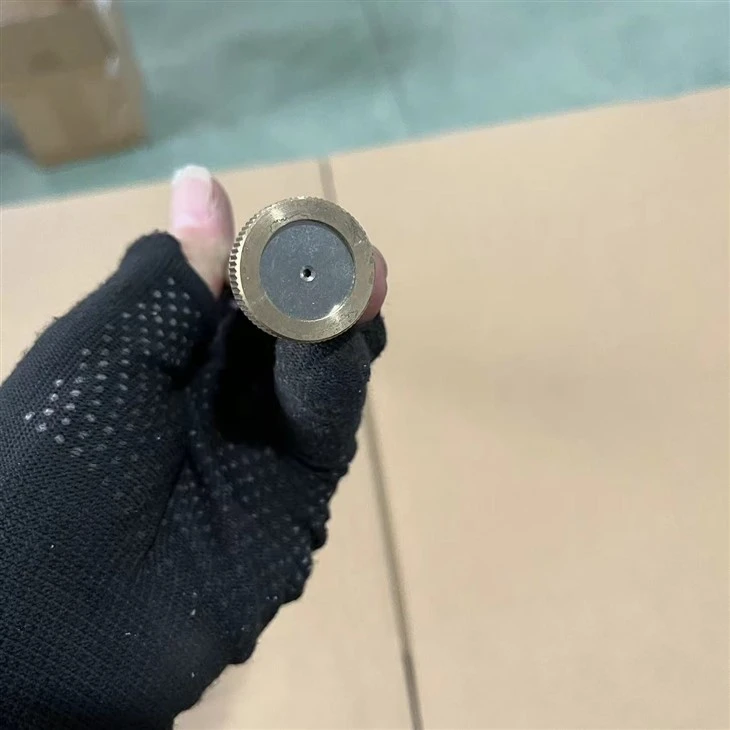
First off, understanding your sprayer gun nozzle is key. Different nozzles have different spray patterns, flow rates, and droplet sizes. These factors can significantly impact how the insulation material is applied and, ultimately, the coverage you achieve. For instance, a wide - angle nozzle will cover a larger area but might result in a thinner layer of insulation, while a narrow - angle nozzle can provide a more concentrated and thicker application in a smaller area.
Before you start spraying, it's essential to prepare the surface properly. Clean the surface of any dirt, dust, grease, or loose particles. A clean surface allows the insulation material to adhere better, ensuring more uniform coverage. You can use a simple cleaning solution and a scrub brush for light dirt or a power washer for more stubborn grime. Just make sure the surface is completely dry before you start spraying.
Next, let's talk about the distance between the sprayer gun nozzle and the surface. This is a critical factor that many people overlook. If you hold the nozzle too close to the surface, you might end up with an uneven, thick layer of insulation in some areas and thin or no coverage in others. On the other hand, if you hold it too far away, the droplets might disperse too much, leading to a patchy and inconsistent application.
As a general rule of thumb, for most insulation materials, a distance of about 8 - 12 inches from the surface is ideal. However, this can vary depending on the type of nozzle you're using and the specific insulation product. It's a good idea to do a test spray on a small, inconspicuous area first to see how the material is being applied at different distances.
Another important aspect is the spraying speed. Moving the sprayer gun too quickly can result in insufficient coverage, while moving it too slowly can cause an over - application of the insulation material. You need to find that sweet spot where you're moving at a steady pace to ensure an even layer of insulation. It might take a bit of practice, but once you get the hang of it, you'll notice a significant improvement in the coverage.
Now, let's consider the type of insulation material you're using. Some materials are more viscous than others, and this can affect how they are sprayed through the nozzle. Thicker materials might require a larger nozzle opening to ensure a smooth flow. If you're using a material that's too thick for your nozzle, it can lead to clogging, uneven spraying, and poor coverage.
That's where having a good selection of sprayer gun nozzles comes in handy. At our company, we offer a wide range of nozzles to suit different insulation materials and project requirements. For example, our OP - 287 Spray Gun Male Connector M22*14 is designed to provide a reliable connection and smooth flow of insulation material. It's a great option for those looking for a high - quality connector for their sprayer gun.
If you're working on larger projects, our Sprayer Gun 60CM (53CM) can give you the reach you need to cover more area without having to constantly reposition yourself. And for more precise, smaller - scale projects, our Spray Gun 30cm is a great choice.
In addition to the nozzle and the spraying technique, the pressure at which you're spraying also matters. The right pressure ensures that the insulation material is atomized correctly and reaches the surface with enough force to adhere properly. Most sprayer guns have a pressure adjustment feature. You'll need to adjust the pressure based on the type of insulation material, the nozzle size, and the distance from the surface.
It's also a good idea to overlap your spray passes slightly. This helps to fill in any gaps and ensures a more continuous and uniform layer of insulation. A 50% overlap is usually a good starting point, but you can adjust this based on the results you're getting.
Finally, don't forget about safety. When working with insulation materials, make sure you're wearing appropriate protective gear, such as goggles, gloves, and a respirator. Some insulation materials can be harmful if inhaled or come into contact with your skin.
In conclusion, ensuring proper insulation coverage when using a sprayer gun nozzle requires a combination of proper surface preparation, the right nozzle selection, correct spraying distance, speed, pressure, and overlapping techniques. By following these tips and using high - quality sprayer gun nozzles like the ones we offer, you can achieve excellent insulation coverage for your projects.
If you're interested in learning more about our sprayer gun sprayer nozzles or have any questions about insulation application, feel free to reach out. We're here to help you find the best solutions for your insulation needs and are always open to discussing your projects and requirements. Whether you're a professional contractor or a DIY enthusiast, we've got the products and expertise to support you.
References
- Insulation Application Guidebooks from leading insulation manufacturers
- Industry research on spray - on insulation techniques


